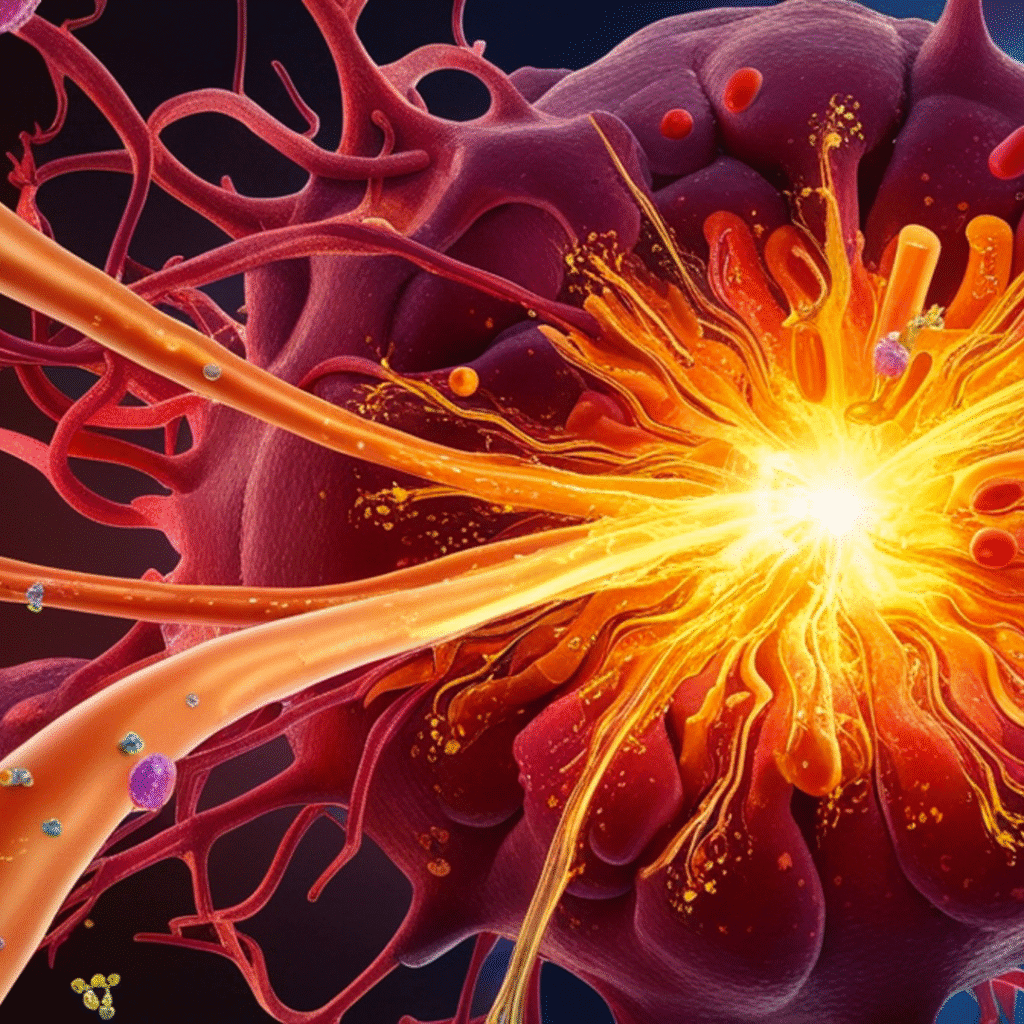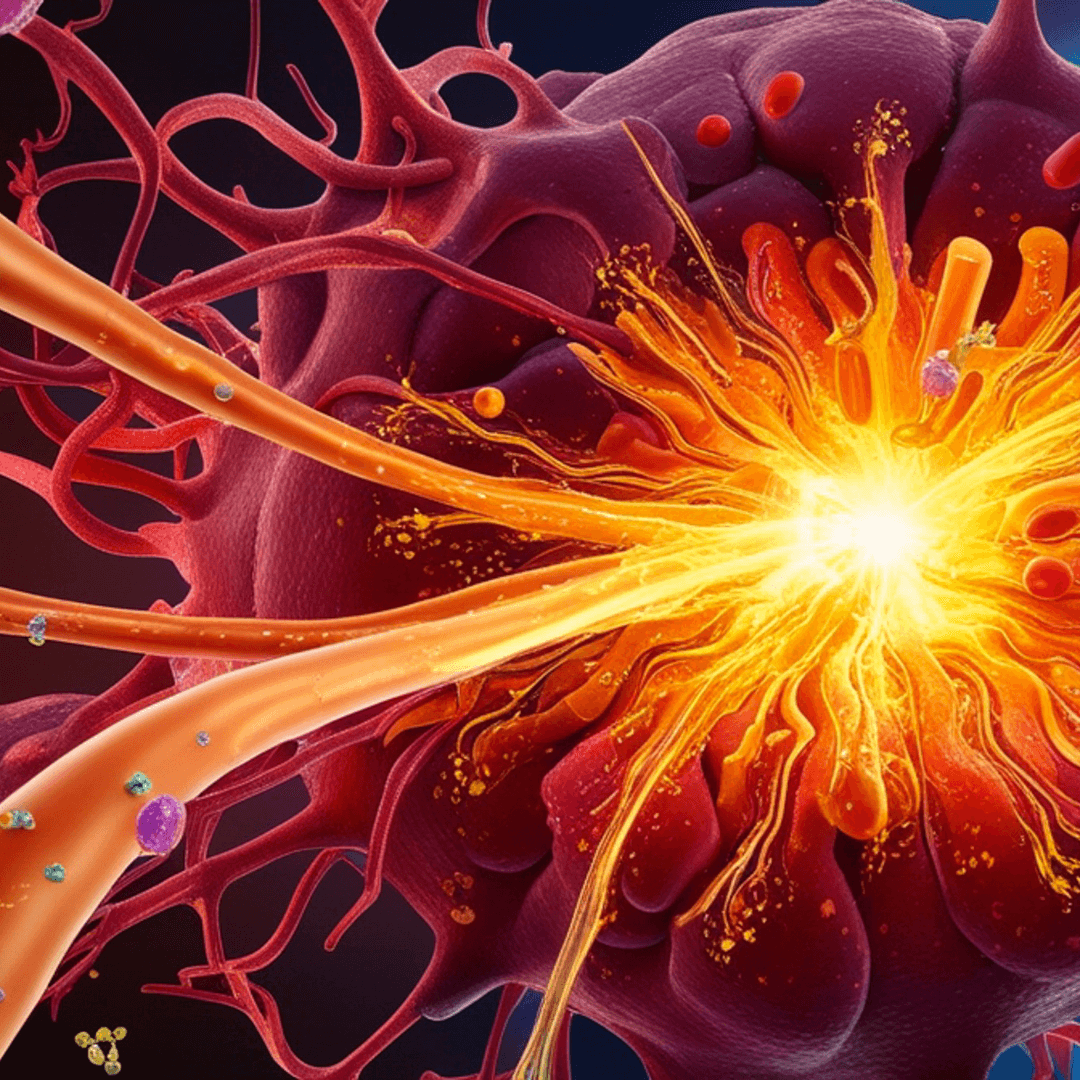
The Science of Emotional Design: Why Images That Stir Feelings Stay Forever
The Science of Emotional Design | The Power of Emotional Design: How Feeling-Driven Visuals Boost Memory and Connection
Discover why emotionally charged images are remembered up to 70% longer than neutral visuals. Explore the neuroscience and creative data behind emotional design and how to use it to create human connection through visuals.
🌍 Introduction: Design as Human Connection
“When images stir our emotions, they don’t just sit in our minds — they stay. Research confirms that emotional visuals engage attention, enhance encoding, and intensify memory retention far beyond neutral images. That’s why design isn’t decoration — it’s human connection.”
Modern neuroscience agrees — emotion is the anchor of memory. In branding, UI/UX, and visual storytelling, designs that make us feel something don’t just stand out — they stay with us.
🧠 The Data Behind Emotional Memory
Harvard’s Cognitive Neuroscience Lab found emotionally charged visuals are 70% more memorable than neutral ones.
👉 https://news.harvard.edu/gazette/story/2024/06/emotional-memory-research/MIT researchers (2024) discovered the brain can process emotional images in just 13 milliseconds — faster than conscious thought.
👉 https://news.mit.edu/2024/emotional-visual-processing-brain-speedA NeuroDesign Institute (2025) meta-analysis showed that emotional valence (positive/negative response) increases engagement by 28%.
👉 https://www.neurodesigninstitute.com/reports/2025-engagement-studyEye-tracking research confirms that images featuring warmth, texture, and human emotion hold viewers’ attention 2.4× longer.
👉 https://www.baymard.com/blog/eye-tracking-user-experience-2024
💡 Emotion activates the amygdala — the brain’s “importance filter” — marking memories as meaningful and unforgettable.
❤️ Why Emotional Design Works
1. Emotion Captures Attention
Designs that evoke emotion release dopamine, heightening engagement and recall.
This is why one heartfelt image can outperform an entire campaign of neutral visuals.
2. Emotion Equals Brand Memory
Emotional association builds identity faster than a logo.
Think: Nike = drive, Apple = calm innovation, Airbnb = belonging.
Emotion = brand equity.
3. Design as Empathy
Good design doesn’t decorate — it listens. It connects to real human context and feeling.
🎨 Elements of Emotional Visual Design
| Element | Emotional Effect | Practical Tip |
|---|---|---|
| Color | Warm tones energize, cool tones soothe | Use contrast to match your brand tone |
| Lighting | Soft light = authenticity | Avoid harsh digital glare |
| Composition | Balance creates comfort | Experiment with asymmetry to provoke curiosity |
| Texture | Feels tactile and real | Perfect for lifestyle and product imagery |
| Facial Expression | Evokes empathy | Use natural, unposed emotion |
📊 Business Impact of Emotional Design
Emotionally expressive images get 3× more shares on social media (https://sproutsocial.com).
Product visuals evoking emotion increase conversions by 22% (https://baymard.com/blog/emotion-in-product-imagery).
Email click-through rates rise by 19% when emotional visuals are included (https://www.campaignmonitor.com/resources/guides/email-design-psychology/).
👉 Emotion drives ROI — not just attention.
🤖 Emotional Design in the AI Era
Google’s new Search Generative Experience (SGE) rewards content that:
Evokes real human emotion,
Uses natural storytelling and authentic imagery,
Includes emotionally descriptive alt text,
And creates context-rich visual experiences.
That means your emotional imagery now helps both SEO visibility and AI summary ranking.
Learn more:
👉 https://blog.google/products/search/generative-ai-search/
🧩 Interactive Reflection: Which Image Would You Remember?
Quick Quiz:
Which image would you recall tomorrow?
A plain product shot on a white background
A warm lifestyle photo showing someone feeling joy using that product
✅ Most people choose the second. Because emotion makes information stick.
Embed this poll on your website with an HTML form or WordPress quiz block to boost engagement and dwell time.
🧭 Turning Emotion into Strategy
For digital agencies like ArcAxis Digital, emotion isn’t fluff — it’s data.
Every pixel that evokes empathy improves recall, SEO signals, and conversion outcomes.
Design that feels human performs better.
Use emotional design in:
Website hero images
Campaign visuals
Brand storytelling videos
UX micro-interactions (hover states, animations)
💬 Conclusion
In an AI-driven, short-attention world — emotion remains the algorithm for connection.
A website can be technically perfect, but if it doesn’t move your audience, it will be forgotten.
Emotion turns design into memory.
Because ultimately — design isn’t decoration, it’s human connection.
🧠 15 FAQs on Emotional Design & Visual Psychology
1. What is emotional design?
Design that evokes emotion to make users feel connected and remember experiences longer.
2. How does emotion influence memory?
Emotions trigger the amygdala and hippocampus, strengthening memory formation.
3. Why are emotional visuals more effective?
They engage both the brain’s emotional and logical systems, improving recall.
4. What data supports this?
Harvard and MIT studies show emotional imagery improves recall up to 70%.
5. Which colors evoke emotion?
Warm hues (red/orange) excite; cool tones (blue/green) relax.
6. How do I measure emotional engagement?
Monitor scroll depth, dwell time, and reaction sentiment on posts.
7. Does emotional design affect SEO?
Yes — higher engagement signals help boost SGE and search visibility.
8. Can emotion increase conversions?
Yes — 20–30% average uplift across product and service landing pages.
9. What brands use emotional design best?
Apple, Airbnb, Nike, and Nando’s — all tell human-centered stories.
10. Can negative emotions be used effectively?
Yes, in moderation — contrast builds depth when balanced with resolution.
11. Is emotional design only visual?
No — tone of voice, typography, and motion design also evoke emotion.
12. How can AI read emotions in design?
SGE analyses tone, caption semantics, and facial cues within imagery.
13. Does emotional design work in B2B?
Absolutely — empathy builds trust, even in professional contexts.
14. How can I add emotional resonance to my site?
Show real people, real stories, natural textures, and light.
15. Where should I start?
Audit your visuals. Replace neutral stock with authentic, emotive imagery.
🔗 Internal Links
🌐 External References
#The Science of Emotional Design